

School Backpacks: The Essential Physiotherapy Guide to Selecting, Using, and Packing
By Nathan Freemantle
Every day, Australian school children put on their backpacks and head off to learning. But for many, this daily routine involves carrying a significant and sometimes dangerous load. As physiotherapists here at Physio X Baldivis, we know that an ill-fitting, overloaded, or incorrectly worn school bag is one of the leading contributors to unnecessary back, neck, and shoulder pain in young people.
While kids are growing, their spines are more susceptible to stress. Developing good habits now is vital for long-term spinal health. This guide provides parents with practical, evidence-based steps on selecting the right bag, using it properly, and packing it safely, ensuring their only focus is on their schoolwork—not back pain.
How to Choose a Safe School Backpack
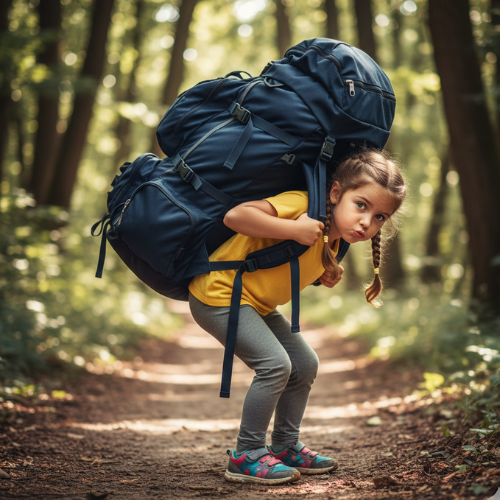
The biggest mistake parents make is buying a bag that is too big or lacks the essential ergonomic features required to protect a growing spine. A good backpack should work with your child’s body, not against it.
When selecting a bag, look for these key safety features:
- Padded, Wide Straps: These distribute the weight more evenly across the shoulders and prevent the straps from digging in and restricting blood flow.
- Padded Back Support: A padded, contoured back panel ensures the bag fits snugly against the spine, providing comfort and preventing sharp objects inside from poking the child.
- Multiple Compartments: These are crucial for distributing the load and keeping items from shifting during movement.
- Chest and Waist Straps: These straps transfer a significant portion of the weight from the shoulders and spine down to the more stable hips and pelvis, where the body can handle the load much better.
The Correct Backpack Weight Limit for Children
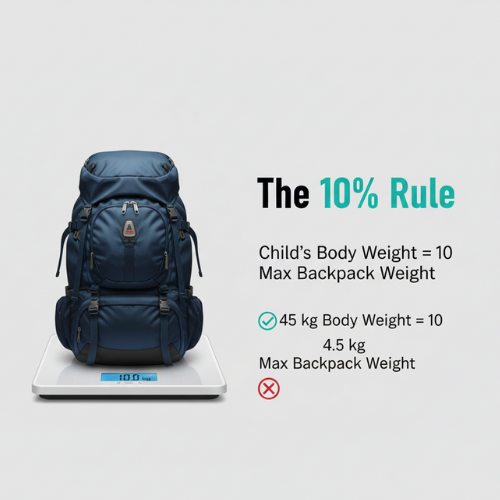
(Image of a bathroom scale weighing a backpack, or an infographic showing the 10% rule)
The single most important rule to remember is the 10% Rule.
Physiotherapists and paediatric health organisations recommend that a child’s fully loaded backpack should weigh no more than 10% to 15% of their body weight. Sticking to the 10% benchmark is the safest bet to prevent forward head posture and spinal strain.
For example:
- A child weighing 30kg should carry a maximum of 3.0kg.
- A child weighing 50kg should carry a maximum of 5.0kg.
If your child’s bag consistently exceeds this limit, they will often compensate by leaning forward, slouching, or developing muscle fatigue, leading to chronic back and neck pain. Get into the habit of weighing your child’s bag at least once a week.
Fitting and How to Pack a School Bag Correctly
Once you have the right bag, fitting and packing are the final critical steps to safety.
- Wear it Tight and High: The backpack should sit snugly against the child’s back and should never hang lower than the waist (iliac crest/top of the hips). The straps must be adjusted so the bag contours to the body. Encourage your child to use both shoulder straps and clip the chest and waist straps every time they wear the bag. Carrying the bag over one shoulder is a recipe for strain and pain.
- Pack it Right: The way you pack dictates where the weight sits on the spine. Always place the heaviest items (like textbooks or large binders) closest to the child’s back. Lighter items (like lunch boxes or pencil cases) should be placed in the outer compartments. This simple technique keeps the centre of gravity close to the body, preventing strain.
If your child is complaining of shoulder pain, has red marks on their shoulders from the straps, or you notice they must lean forward to carry their load, it is a clear sign that their backpack setup needs attention.
Early intervention is key to preventing minor strains from becoming long-term postural issues. At Physio X Baldivis, our team, led by Nathan Freemantle, can perform a Backpack Check and spinal screening to assess the impact of their load and prescribe tailored exercises to strengthen core and back muscles. Let us help your child start the school year safely and pain-free.
Ready to ensure your child has a healthy, pain-free school year?
Book a spinal and postural assessment today!